Kurokawa Onsen
Near Minamioguni, Kumamoto Prefecture, Japan
A small valley village of about 30 ryokan in the Aso area of Kumamoto, where a wooden bath pass, sold since 1986, lets day visitors try three inns' open-air baths.
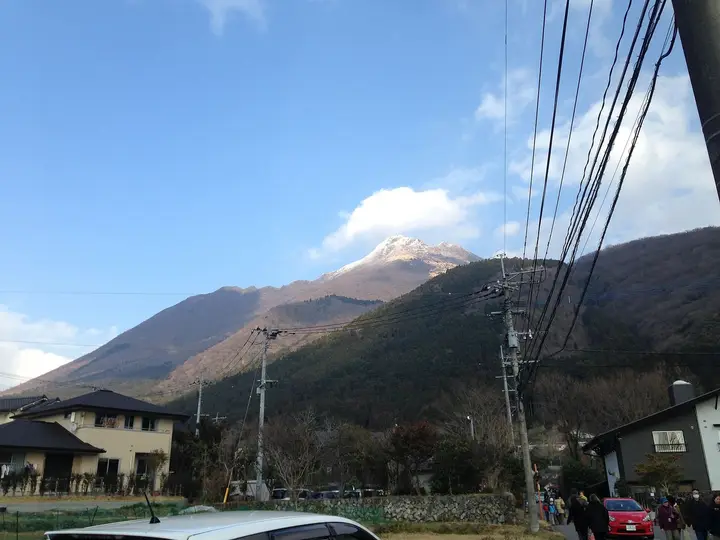
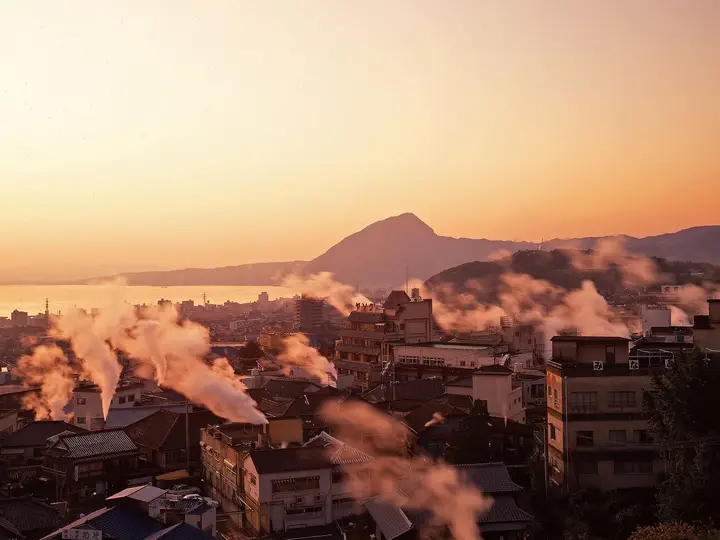
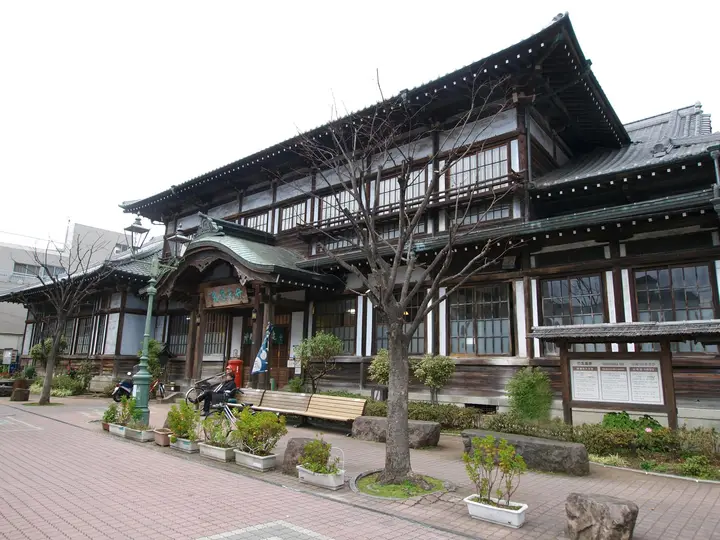
Photos: veroyama from Meguro, Japan (CC BY-SA 2.0); MaedaAkihiko (CC0); certified (CC BY 3.0). Resized and cropped for this page.


- Water temperature
- Not published
- Entry
- Paid
- Getting in
- Drive-up
- Type
- Resort or spa
- One Nyūtō Tegata, a wooden token, buys three open-air baths at the member ryokan of your choice.
- A 40th-anniversary tegata design is on sale from July 1, 2026 to the end of March 2027, limited to 50,000.
- Jizō-yu, the old communal bath below Igo-zaka, is linked to the legend of how the spring first rose.
- Bamboo lanterns light the lanes each winter for Yuakari.
What to expect
Kurokawa Onsen is a small hot spring village in a narrow river valley in Minamioguni, a mountain town in the Aso area of northern Kumamoto Prefecture. Minamioguni Town says around 30 ryokan operate here. Most are small, low wooden inns along both banks of the stream, and many have an open-air bath (rotenburo) set into the rocks and trees. There are no big hotel blocks, which is a large part of why people come.
The village is busy for its size. Its ryokan cooperative says about 900,000 people visit a year, of whom about 300,000 stay overnight. Most of the rest are day visitors who walk the lanes, eat, and bathe with the tegata.
The Nyūtō Tegata
The Nyūtō Tegata (bath pass) is the reason most day visitors come. It is a wooden token that lets you choose three open-air baths from the participating ryokan. The cooperative introduced it in 1986, and the town says more than 3 million had been sold by 2019.
How it works:
- Buy it at Kaze-no-ya, the Kurokawa Onsen Ryokan Cooperative’s office and information centre in the middle of the village (6594-3 Manganji, 0967-44-0076), or at member ryokan. Kaze-no-ya also hands out each ryokan’s leaflet and sells bath goods.
- Choose three baths. At each one, staff stamp the tegata. The pass then becomes a souvenir.
- Price: Minamioguni Town’s page gives ¥1,300 for three baths, but it is undated, and 2026 travel guides give ¥1,500. The cooperative’s website was down for maintenance when we checked in October 2026, so confirm by phone before you budget.
- 40th anniversary: from July 1, 2026 to the end of March 2027, the cooperative is selling a special-design tegata in which the pass’s familiar old-man figure climbs out of the bath. It is limited to 50,000 and sold at the cooperative and the ryokan. Collect the stamps, including a rare one hidden around the village, to complete it.
Each ryokan sets its own day-bath hours and its own rules, and some baths close to tegata holders on busy days or for cleaning. The leaflets at Kaze-no-ya list them. Many baths are gender-split, but some ryokan have mixed or reserved-time baths, so check the rules (including whether bathing wraps are allowed) at each inn.
The water and Jizō-yu
The ryokan draw from several sources, and the spring types differ from inn to inn. Travel listings name simple, sulfur, chloride, sulfate and bicarbonate springs, some of them cloudy. If it matters to you whether a bath is heated, diluted or recirculated, ask at the inn or look for its spring analysis notice.
Jizō-yu (6606 Manganji) is the old communal bath, down the Igo-zaka slope from the Fureai plaza. Local legend says the spring first rose here after a headless Jizō statue was enshrined at Jizō-dō, the small hall just below the slope. The town describes it as the original bath of Kurokawa, long used by local people.
Getting there
Kurokawa is in the mountains between Kumamoto and Ōita prefectures, and you need a car or a highway bus.
- By car from Kumamoto: about 90 minutes from Kumamoto IC.
- By car from Fukuoka: the usual route is the Ōita Expressway to Hita IC, then mountain roads south. Other approaches use Kuju IC, the Yamanami Highway or the Milk Road (Prefectural Road 339).
- By bus from Fukuoka: a direct highway bus takes about 3 hours, runs six times a day and needs a reservation.
- By bus from Kumamoto, Yufuin or Beppu: the Kyushu Ōdan bus links Kumamoto, Kurokawa, Yufuin and Beppu. Beppu is covered at /hot-springs/beppu-onsen-japan.
The lanes in the village are narrow, so once you arrive it is easiest to park and walk.
After the 2026 Kumamoto earthquake
A strong earthquake, now called the 2026 Kumamoto earthquake (Reiwa 8 Kumamoto jishin), hit Kumamoto Prefecture in summer 2026. One ryokan group with three Kurokawa properties reported on August 5 that it had found no damage serious enough to disrupt stays or services. Travel was hit more than the village:
- The Kyushu Expressway section from Mashiki-Kumamoto Airport IC to Matsubase IC reopened on July 30, and the remaining Matsubase to Ebino section reopened on August 14, 2026.
- The Fukuoka to Kurokawa bus returned to its normal timetable from August 4.
- Some Kyushu Ōdan bus trips were suspended until August 31.
Minamioguni Town has since posted earthquake support measures for businesses, and national and prefectural travel discounts were announced to bring visitors back to Kyushu. Before you go, check NEXCO West, JARTIC and the bus operators for any remaining closures.
When to go
Kurokawa is open all year. Autumn colour and weekends are the busiest times, and the lanes can be crowded by mid-morning. Weekday mornings are calmer for bath-hopping. In winter the village runs Yuakari, lining the lanes with lit bamboo lanterns after dark. In summer 2026 the cooperative added an evening event, Yusuzumi, with fireworks and food stalls on Saturdays. The cooperative notes that the valley had only one tropical night (above 77°F25°C, 77°F25°C) in the past ten years, so summer nights are cool.
Onsen etiquette
- Wash or rinse before getting into any bath, even outdoor ones.
- Bathe naked in gender-split baths. Ask about bathing wraps where baths are mixed or shared.
- Keep towels out of the water.
- Tattoos: no village-wide rule. Ask before you use your tegata.
- These are working inns with overnight guests. Keep voices down and follow staff directions on closed baths.
Where to stay nearby
Staying in one of the roughly 30 ryokan is the classic way to visit, and many guests use the tegata on other inns during the day. Rooms fill months ahead at weekends and in autumn. If Kurokawa is full, the wider Minamioguni and Oguni area has other spa villages, including Tanoharu and Oda-Shirakawa, listed by the town. Yufuin and Beppu are also reachable on the Kyushu Ōdan bus.
Safety notes
- Footing: paths down to riverside baths can be steep and slippery when wet. Take them slowly, especially in sandals.
- Heat: keep soaks short when hopping between three baths, and drink water between them.
- Alcohol: do not bathe after drinking.
- Earthquake aftermath: check for road closures or slope repairs on mountain roads after heavy rain.
- Aso volcano: Aso’s Nakadake crater was at alert level 2 in October 2026 (lowered on September 1). It is far south of Kurokawa and does not affect the village, but it can close the crater viewing area if you are combining trips.
Map and nearby springs
GPS: 33.07771, 131.14194
Kurokawa Onsen: common questions
How much is the Kurokawa Onsen Nyuto Tegata?
Minamioguni Town's tourism page still gives ¥1,300 for three open-air baths, while several 2026 travel guides give ¥1,500. The cooperative's own website was under maintenance in October 2026, so we could not confirm the current price. Call the Kurokawa Onsen Ryokan Cooperative on 0967-44-0076.
Where do you buy the tegata?
At Kaze-no-ya, the cooperative's office and information centre near the middle of the village (6594-3 Manganji, Minamioguni), or at member ryokan. You pick three baths from the participating inns, and each one stamps or keeps a section of the pass.
Was Kurokawa Onsen damaged in the 2026 Kumamoto earthquake?
A ryokan group with three Kurokawa properties reported on August 5, 2026 that it had no damage serious enough to stop it operating, and we found no reports of closures in the village. The Fukuoka to Kurokawa bus returned to its normal timetable from August 4, some Kyushu Ōdan bus trips were suspended until August 31, and the Kyushu Expressway fully reopened on August 14. Check road and bus status before you travel.
Are tattoos allowed at Kurokawa Onsen?
Each ryokan sets its own rule, and we found no area-wide policy. Ask the cooperative on 0967-44-0076 which tegata baths accept tattoos, or call the ryokan directly.
How do you get to Kurokawa Onsen?
By car, allow about 90 minutes from Kumamoto IC; from Fukuoka, most people come off the Ōita Expressway at Hita. Highway buses run from Fukuoka (about 3 hours, six a day, reservations needed) and on the Kyushu Ōdan route between Kumamoto, Kurokawa, Yufuin and Beppu.
Closest hot springs to Kurokawa Onsen
Near Takachiho
Public pool
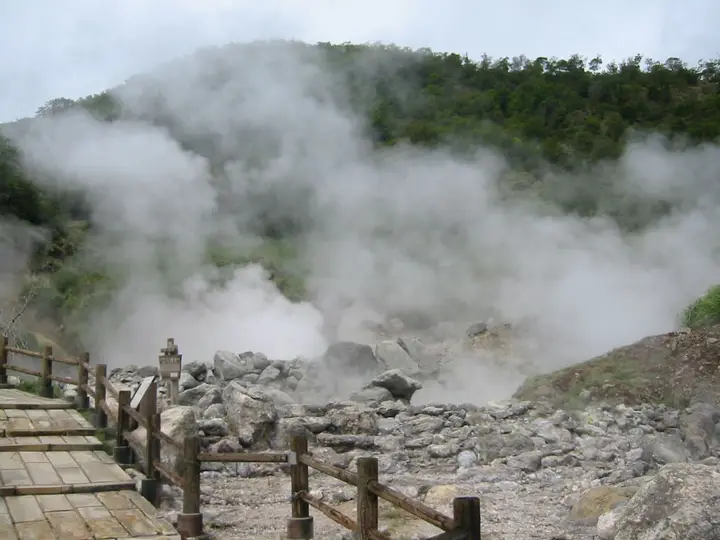
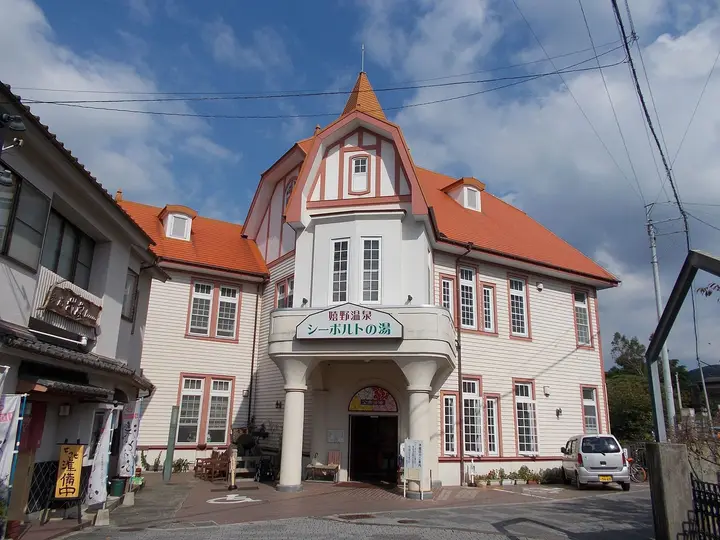
Takachiho Onsen (Takachiho no Yu)
Miyazaki Prefecture, Japan
27 mi away, ~40 min drive
Temp n/a Paid Drive-up
Sources we checked (6)
- town.minamioguni.lg.jp/kankou/kurokawa/kurokawa-onsen.html
- town.minamioguni.lg.jp/kankou/kurokawa/kaze-no-sha.html
- town.minamioguni.lg.jp/kankou/kurokawa/jizou-yu.html
- prtimes.jp/main/html/rd/p/000000028.000071212.html
- travel.rakuten.co.jp/HOTEL/31796/CUSTOM/G31796260805053148.html
- kirishimakankou.com/2026/08/05/%e7%86%8a%e6%9c%ac%e5%9c%b0%e9%9c%87%e3%81%ab%e4%bc%b4%e3%81%86%e9%ab%98%e9%80%9f%e9%81%93%e8%b7%af%e7%ad%89%e3%81%ae%e4%ba%a4%e9%80%9a%e6%83%85%e5%a0%b1/