Find hot springs worth the drive.
Water temperatures, fees, trail notes and maps for 814 hot springs, each with the date we last checked it.
Hot springs near…
Best hot springs to plan a trip around
Pick your kind of soak
Where in the world
All 12 countries- North America
United StatesCanadaMexicoCosta Rica
504 springs
- Europe
202 springs
- Asia
81 springs
- Australia & Oceania
27 springs
Checked, dated, and honest about gaps
Directory sites copy each other's mistakes. We research every listing from primary sources and leave a field blank rather than guess.
How we verifyA date on every listing
So you know how fresh the fees and hours are.
Pins on the pools
Coordinates point at the water or the trailhead, not the nearest town.
Closures flagged
Fire damage, gated roads and private-land bans are on the page.
°F or °C, your call
Switch units in the header and every page follows.
The guide
A hot springs guide for planning real trips
Hot Springs Brief is a guide to 814 hot springs in 12 countries, from free riverside pools in the Idaho backcountry to Japanese onsen towns, Icelandic geothermal lagoons and the thermal baths of Budapest. Every listing is written from primary sources, such as the operator, the national forest or the park service, and shows the date we last checked it. The aim is simple: when you arrive, the spring should be open, the water should be the temperature we said, and you should already know whether you need a swimsuit, cash or a four-wheel-drive.
Finding hot springs near you
The quickest way to find hot springs near me is the hot springs map: every pin sits on the pools themselves, or on the trailhead for springs you have to hike to, never on the nearest town. If you are starting from a city, the "Hot springs near" links above list everything within a realistic drive, with the time on the road and the length of the walk. You can also use search at the top of any page to jump straight to a spring, a town or a national forest.
Every listing answers the same practical questions: how hot the water is, what it costs, the opening hours, how far you walk from the car, whether the road is paved, whether dogs and children are welcome, the clothing rule, and where to camp or stay nearby. Seasonal closures, fire damage and access bans are flagged at the top of the page.
Natural hot springs, resorts, onsen and thermal baths
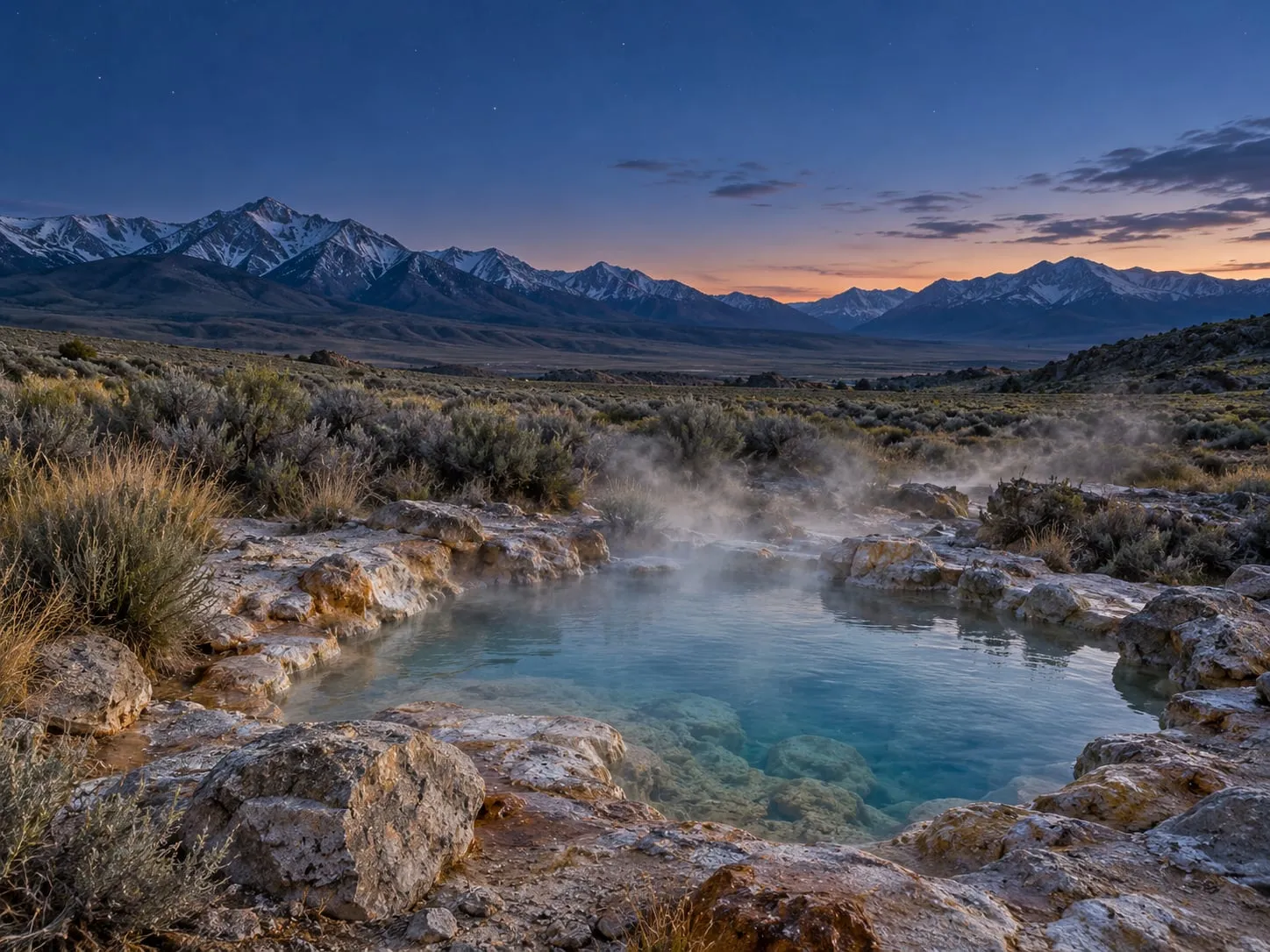
Natural and wild hot springs (214 in this guide) are undeveloped pools where hot water meets a creek, a river or open desert. Many are free hot springs on public land, with no staff and no fee, and some take a long hike to reach. They are the most rewarding to find and the most likely to change: a spring flood can move a riverside pool, and a wildfire can close the road for a season.
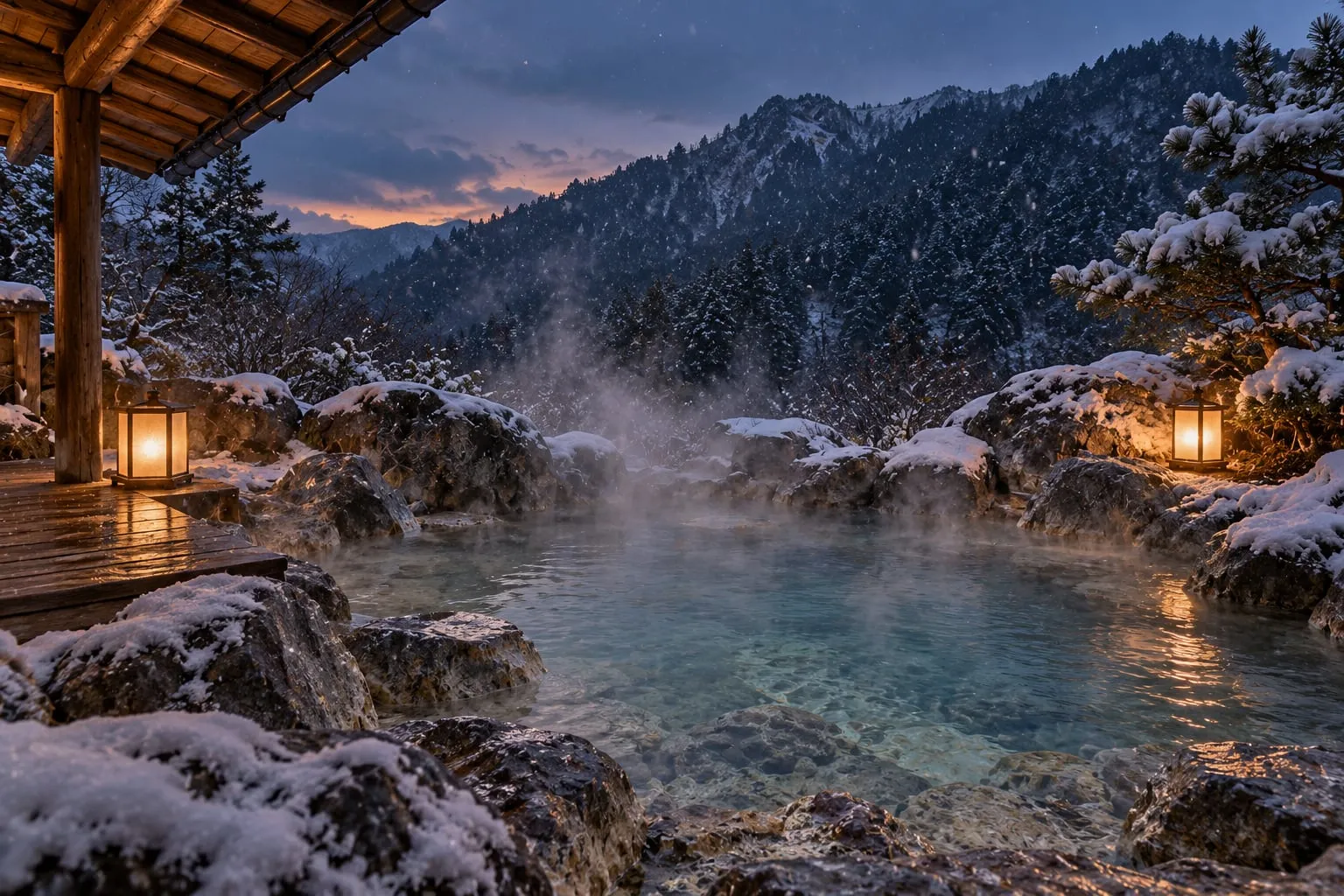
Hot spring resorts and spas (396 listings) pipe the water into built pools, with changing rooms, day passes and often lodging. Public pools and thermal baths(204 listings) are the municipal pools, bathhouses and state parks, such as Iceland's town pools and Hungary's historic baths. In Japan, an onsen is a bath fed by a hot spring and defined in law by its temperature or mineral content; you bathe nude, usually in baths separated by gender.
Clothing rules vary more than people expect. 61 springs in this guide are clothing optional hot springs, most of them wild pools in the western US. 466 are marked family friendly hot springs, meaning swimsuits are required and the pools and access suit children. We never mark a clothing optional place as family friendly.
Where the best hot springs are
The western United States is one of the richest hot spring regions in the world. We list 464hot springs in the US, with the most in California (90),Idaho (80), Colorado (51) andOregon (41). Idaho is the place for free wild hot springs along forest roads and rivers. Colorado and California have the best-known hot spring resorts, and thenatural hot springs in Colorado range from roadside pools to backcountry soaks above 10,000 feet. Oregon, Nevada and New Mexico have desert and high-plateau springs with very few people.
Beyond the US, Japan (81 listings) has historic onsen towns, mountain inns and free riverside baths. Iceland hot springs (52) range from famous lagoons to warm rivers you hike to. Italy (60) and Hungary(29) have the great spa towns of Europe, including the historic Budapest thermal baths, and New Zealand(27) mixes Rotorua's commercial pools with wild streams and beaches where you dig your own pool. Browseall regions for Canada, Mexico, Turkey, Greece, Austria and more.
Before you go: safety, etiquette and timing
Are hot springs safe? Most are, if you follow a few rules. Test the water with your hand before you get in, because source water can be hot enough to scald. Keep your head above water in natural pools, since warm untreated water can carry the Naegleria fowleri amoeba. Limit long soaks, drink water, skip the alcohol, and take care on wet rock and travertine. If you are pregnant or have a heart condition, talk to a doctor first.
Hot spring etiquette is mostly common sense. At wild springs, pack out everything you bring, leave soap and glass at home, keep voices down and share the pool. At onsen, wash and rinse at the shower stations before you enter, keep your towel out of the water, and check the tattoo policy, which every Japanese listing here states. At resorts, follow posted soak limits and quiet hours.
The best time to visit hot springs is usually autumn through early spring, when cold air makes hot water a pleasure and summer crowds have gone. Riverside pools in the mountains can sit under snowmelt from about May to July, and some high springs are only reachable in late summer once the snow clears. Weekday mornings are the quietest time at popular free springs.
What to bring to a hot spring: plenty of drinking water, sandals with grip, a towel, a warm layer for afterwards, a headlamp if you will walk out after dark, a trash bag, and cash, as some small springs do not take cards. For remote springs, carry a map, because many have no phone signal. Then check the listing's date, confirm with the operator, and go and enjoy the water.
Hot springs FAQ
What are hot springs and how are they formed?
Hot springs form where rain and snowmelt soak deep into the ground, are heated by hot rock or magma, and rise back up through faults and cracks. The water picks up minerals on the way, which is why many springs smell of sulphur or leave travertine. For soaking, a hot spring is usually above about 90°F (32°C). This guide covers undeveloped river pools, geothermal swimming pools, thermal baths and hot spring resorts piped from a thermal source, and labels which is which.
How do I find hot springs near me?
Open the hot springs map and zoom to where you are, or start from a city page such as hot springs near Denver or near Los Angeles. Each listing gives the drive, the walk and the road conditions, so you can see what "near" really means before you leave.
Where are the best hot springs in the US?
The western states have the most. We list 90 hot springs in California, 80 in Idaho, 51 in Colorado and 41 in Oregon. Idaho and Oregon are strongest for free wild springs; Colorado and California have the most hot spring resorts.
Are there free hot springs?
Yes. 193 of the springs in this guide are free to use, most of them wild hot springs on national forest or BLM land in the western US. Free does not mean unmanaged: check the listing for parking passes, camping limits and seasonal road closures.
What is an onsen, and how is it different from a thermal bath?
An onsen is a Japanese bath fed by a hot spring, defined in Japanese law by its temperature or mineral content, and bathed in nude, usually separated by gender. A thermal bath is a built pool or bathhouse fed by a spring, such as the Budapest thermal baths or Italy's spa towns, usually with swimsuits. A hot spring is the natural source behind both. Browse our Japan onsen guide.
Are hot springs good for you?
Most people find a soak relaxing, and warm water can ease stiff muscles and help sleep. Spa towns in Japan and Europe have long used mineral water for therapy, but the evidence for specific health claims is limited, so treat any cure promised by a resort with caution. Keep soaks short, drink water, and ask a doctor first if you are pregnant or have heart or blood pressure problems.
Are natural hot springs safe to soak in?
Most are, with a few rules. Test the temperature with your hand, keep soaks short in very hot water, never put your head under in untreated springs (some carry the Naegleria fowleri amoeba), avoid alcohol, and watch your footing on wet rock and travertine.
Do I need a swimsuit? What about clothing optional hot springs?
It depends on the place. 61 springs in this guide are clothing optional, mostly wild springs in the western US; Japanese onsen are bathed in nude and usually separated by gender; and most resorts and public pools require swimwear. Each listing states the rule, and clothing optional places are never marked family friendly.
Which hot springs are family friendly?
466 listings are marked family friendly: swimsuit-only places with shallow or cooler pools and easy access. Many hot spring resorts have separate adults-only pools, and some wild springs are too hot or too remote for small children, so read the access and temperature notes.
When is the best time to visit hot springs?
Autumn and winter for most of them: cool air makes hot water pleasant and summer crowds are gone. Riverside pools in the mountains can sit under snowmelt from about May to July, while high-elevation springs may only be reachable in late summer. Each listing has a best-time note.
How do you check the listings?
Each listing is researched against at least two independent sources, with official operators and land agencies first, and shows the date we last checked it. Map pins are cross-checked against public datasets. Fees, hours and road access change, so treat that date as a guide and confirm with the operator. Read how we verify.