Shirahone Onsen
Near Matsumoto, Nagano Prefecture, Japan
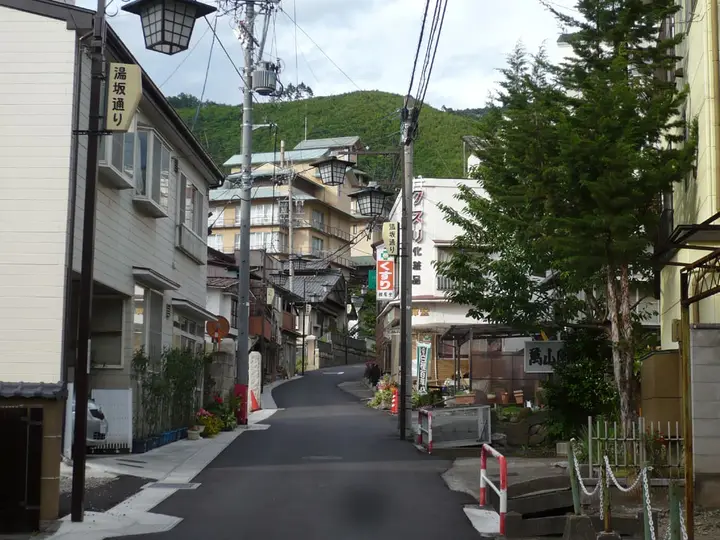
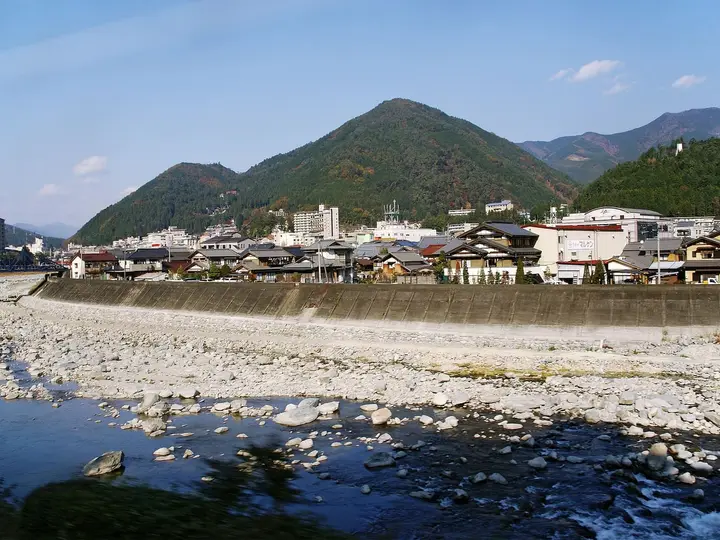
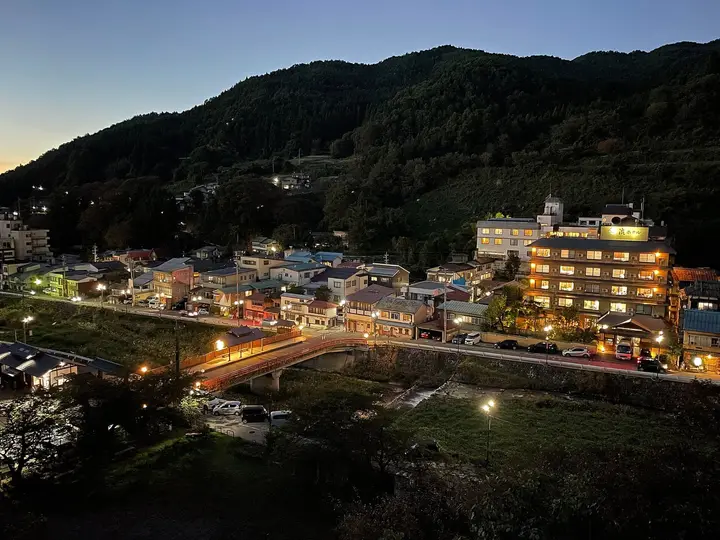
A small village of inns in a steep gorge west of Matsumoto, known for water that runs clear from the ground and turns milky white in the tub. A riverside public bath takes day visitors in the warm months.
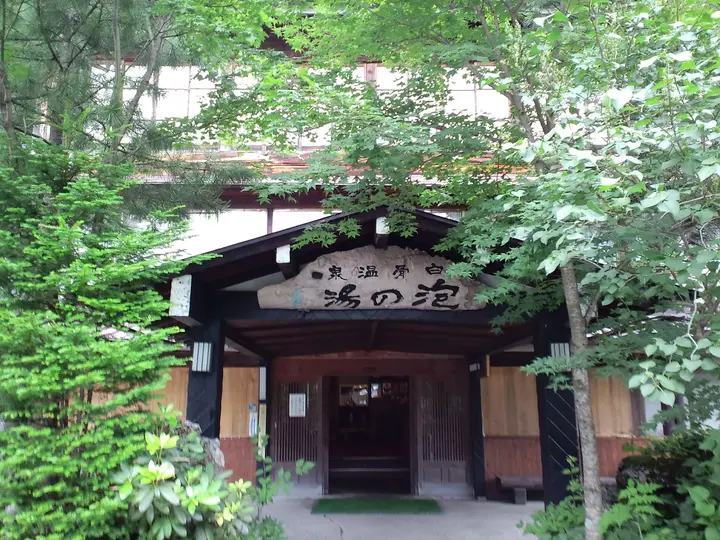
Photo: Soica2001 ( talk ) (Public domain). Resized and cropped for this page.

- Water temperature
- Not published
- Entry
- Paid
- Getting in
- Drive-up
- Type
- Public pool
- The water comes out clear and turns milky white once it meets the air, as sulphur and calcium carbonate particles form.
- Every inn uses its own source, all free-flowing, so the colour and feel change from bath to bath.
- The riverside public open-air bath costs ¥700 and runs from late April to November 24, closed on Thursdays.
- The village has been a bathing retreat since the Kamakura period, and Nakazato Kaizan set part of his novel Daibosatsu Toge here.
What to expect
Shirahone Onsen is a small hot spring village in a steep, wooded gorge on the road between Matsumoto and Norikura, in western Nagano. There is no long shopping street. A handful of ryokan and a hotel sit on the slopes above a stream, with a souvenir shop, a couple of places to eat and a public bath down by the water.
The name means “white bone”, after the colour of the water. The village association says every inn has its own source and every bath is fed straight from it, free-flowing. The water rises clear and turns a milky white once it meets the air: hydrogen sulfide forms tiny particles of sulphur, and calcium carbonate particles form as the pressure drops. It is weakly acidic, close to neutral. Because each inn has its own source, the colour and smell differ a little from one bath to the next.
The village has been a bathing retreat since the Kamakura period. An old local saying holds that three days of bathing here keeps you free of colds for three years, which is folklore, not a promise. The writer Nakazato Kaizan set part of his long novel Daibosatsu Toge here, and Yumoto Saito Ryokan is linked with the book.
You can also drink the water. The village has two drinking spots, and the local speciality is onsen-gayu, rice porridge cooked in the spring water.
The public open-air bath
The Shirahone Onsen Public Open-Air Bath (Kokyo Noten-buro) is the easiest way in for a day visitor. It sits beside the stream next to the Shirahone Onsen bus stop and the free public car park. The baths are open-air, split into men’s and women’s sides and fed straight from the source.
| Details (2026) | |
|---|---|
| Adults | ¥700 |
| Elementary school age and under | ¥400 |
| Weekdays | 10:00-16:00 |
| Weekends and holidays | 9:00-17:00 (one section of the site says 16:00) |
| Closed | Thursdays (since November 2023) |
| Season | Late April to November 24. Closed for winter from November 25. |
Prices rose to these levels in April 2025, so older guides that quote ¥520 are out of date. The bath’s phone is 0263-93-3121.
Day bathing at the inns
The village association’s list shows these places selling day baths in 2026:
- Awanoyu Ryokan: 10:30 to 13:30 (out by 14:00), ¥1,000 adults, ¥600 children, with its famous milky mixed outdoor bath. See our Awanoyu page for the full detail.
- Shirafuneso Shintaku Ryokan: 12:00 to 14:00.
- Katsuranoyu Maruei Ryokan: 11:00 to 15:00.
- Baikoan, a restaurant serving onsen-gayu: day bathing 10:00 to 18:00 (last entry 17:30), no booking.
- Rest House Kyudo: day bathing 9:00 to 18:00 for day visitors.
The association does not list prices for most of these, and hours change by season. Phone ahead, especially on weekdays and in winter. Other inns, including Yumoto Saito Ryokan, Shirahone Ebisuya, Oyado Tsuruya, Shirafune Grand Hotel, Yumoto Saito Bekkan, Sansuikan Yugawaso and Konashinoyu Sasaya, are listed without day bathing.
Onsen etiquette
- Rinse before you get in, and keep your small towel out of the water.
- Bathe naked in the men’s and women’s baths. At Awanoyu’s mixed outdoor bath, swimsuits are not allowed but a wrapped bath towel is.
- The milky water hides the bottom of the tub. Step in slowly.
- No tattoo rule is published for the public bath or the inns. Ask first.
Getting there
- By car: the village site says Shirahone can be reached by car all year. Shirahone-onsen.org gives about 50 minutes from Matsumoto IC on the Nagano Expressway; Awanoyu gives about an hour. Prefectural Road 300 was widened for year-round use in 2012, but it freezes, so use winter tyres and carry chains. Hirayu Onsen on the Gifu side is about 20 minutes away by car.
- By train and bus: take the Alpico Kamikochi Line from Matsumoto to Shin-Shimashima, then an Alpico bus to the Shirahone Onsen stop, about 60 minutes. In 2026 the buses ran from April 17 to November 15, with a change at the Sawando terminal on some services. Nohi buses from Takayama via Hirayu connect at Sawando and need a reservation.
- Highway bus: Alpico runs Shinjuku to Matsumoto buses that connect with the train.
- Taxi: Alpico Taxi at Shin-Shimashima (0263-75-1181). Outside the bus season, a taxi or car is the only option.
When to go
Autumn colour, in October, brings the biggest crowds and fills the inns. Late spring and summer are green and quieter. Winter is beautiful under snow, but the public bath and the buses are closed, the road freezes, and some inns may stop day bathing in bad weather. Weekdays are calmer, but remember the public bath’s Thursday closing.
Where to stay nearby
Staying at an inn here lets you use its baths at night and in the early morning. The village association’s site lists about ten inns, from old wooden ryokan to the Shirafune Grand Hotel, plus Rest House Kyudo, which offers simple stays with two meals from ¥10,000.
Lower down, Asama Onsen and central Matsumoto make good bases with more choice. On the Gifu side, Hirayu no Mori at Hirayu Onsen is a big day-bath complex.
Accommodation tax: Shirahone is inside Matsumoto city. Since June 1, 2026, guests pay ¥200 per person per night (¥100 city, ¥100 prefecture) when the room-only rate is ¥6,000 or more, rising to ¥300 after May 31, 2029.
Nearby stops worth adding
Kamikochi, the alpine valley below the Hotaka peaks, is reached by bus via Sawando in season, from mid-April to mid-November. Norikura Kogen, further up the road, has waterfalls and hiking trails. Awanoyu is the place to compare one more milky bath before you leave.
Safety notes
- Hydrogen sulfide: the water contains it. Bathe in ventilated spaces and leave if you feel dizzy or sick.
- Hidden footing: the milky water hides steps and rocks. Feel your way in.
- Winter roads: Prefectural Road 300 freezes. Winter tyres are essential from late autumn to spring.
- Remoteness: shops and services are few. Fill the tank and bring cash before you drive up.
Map and nearby springs
GPS: 36.15223, 137.62742
Shirahone Onsen: common questions
Can you visit Shirahone Onsen as a day trip?
Yes. The public open-air bath (Kokyo Noten-buro) by the river costs ¥700 for adults and ¥400 for children, 10:00 to 16:00 on weekdays and 9:00 to 17:00 on weekends and holidays, except Thursdays and in winter. Several inns and rest houses also sell day baths, including Awanoyu (10:30 to 13:30), Shirafuneso Shintaku Ryokan (12:00 to 14:00), Katsuranoyu Maruei Ryokan (11:00 to 15:00) and the Baikoan restaurant (10:00 to 18:00).
Why is Shirahone Onsen water white?
It is clear when it comes out of the ground. The village explains that hydrogen sulfide forms sulphur particles and calcium carbonate particles form as the pressure drops, which turns it milky. It is weakly acidic, close to neutral, and each inn's source looks slightly different.
Is the public open-air bath open in winter?
No. It closes from November 25 until late April; in 2026 it reopened on Saturday, April 25. The village and inns stay open all year, and some inns sell day baths in winter, so phone ahead.
Is there a mixed bath at Shirahone Onsen?
The public open-air bath is split into men's and women's sides. The best-known mixed bath is the large outdoor bath at Awanoyu, where swimsuits are not allowed but you may wrap yourself in a bath towel. Awanoyu also has separate men's and women's baths.
How do I get to Shirahone Onsen?
By car it is about 50 minutes to an hour from Matsumoto IC on the Nagano Expressway; the road is open all year but icy in winter. By public transport, take the Kamikochi Line from Matsumoto to Shin-Shimashima, then an Alpico bus (about 60 minutes) in the April to November season, changing at Sawando on some services.
Is there an accommodation tax at Shirahone?
Yes. Shirahone is in Matsumoto city, which with Nagano Prefecture charges an accommodation tax from June 1, 2026 when the room-only rate is ¥6,000 or more: ¥200 per person per night (¥100 city, ¥100 prefecture) until May 31, 2029, then ¥300.
Closest hot springs to Shirahone Onsen
Awanoyu (Shirahone Onsen)
Nagano Prefecture, Japan
0 mi away, ~10 min drive
99-104°F37-40°C Paid Drive-up
Near Hirayu Onsen (Takayama)
Resort or spa