Seljavallalaug
Near Skógar, Rangárþing eystra, South Iceland, Iceland
A 25 m concrete pool from 1923 set against a steep valley wall below Eyjafjallajökull, filled by a warm spring, unstaffed, free, and about a 15-minute walk from the end of Route 242.
Photos: BiT (CC BY-SA 3.0); Michael James michaeljames (CC0); Óðinn (CC BY-SA 2.5 ca); JIP (CC BY-SA 3.0). Resized and cropped for this page.


- Water temperature
- 68-95°F20-35°C
- Entry
- Free
- Getting in
- Short walk
- Type
- Wild & natural
- One of Iceland's oldest pools: first built of stone in 1923, concreted a year later, and the country's largest pool until 1936.
- Free and unstaffed. There is a basic changing hut but no showers, running water or toilets.
- Volunteers clean it once a summer. Before that the bottom and walls are often thick with green algae.
- Buried in ash by the 2010 Eyjafjallajökull eruption and dug out by volunteers with loaders and excavators in 2011.
What to expect
Seljavallalaug is an old outdoor swimming pool tucked against a steep valley wall in the foothills of Eyjafjallajökull, on Iceland’s south coast. It is about 25 m long and 10 m wide (82 by 33 ft), set right against the hillside. A warm spring in the hillside feeds it, so the pool keeps itself topped up without pumps or staff.
It is not a spa and not really a hot spring. It is a 100-year-old concrete pool in a green, empty valley, and that is the appeal. There is no ticket desk, no shop and no lifeguard. You walk in, change in a bare hut, and swim or float with the mountain walls around you.
The water is lukewarm, not hot. No official temperature is published. Guide to Iceland puts it at roughly 68 to 86°F20 to 30°C, reaching about 95°F35°C in summer. On a cold or windy day, expect to feel chilly as soon as you get out.
Be ready for algae. Icelandic Wikipedia notes that the pool is cleaned once each summer, and that until then it is usually covered in thick slime that calls for care. The water can look cloudy or green, and the bottom and steps are slippery. Some visitors love the rough edges. Others take one look and turn back. If you visit soon after the summer clean, the pool looks very different.
There is a basic changing hut beside the pool. It has no showers, no running water and no toilets.
History
Seljavallalaug was first built with stones in 1923 and was concreted a year later. Björn Andrésson of Berjaneskot led the work, with help from the local youth association, Ungmennafélagið Eyfellingur. At about 25 m long, it was the largest swimming pool in Iceland until 1936. From 1927, swimming lessons here were part of compulsory schooling for children in the district. The sign at the pool calls it the oldest standing pool in the country. The Secret Lagoon in Flúðir, which dates from 1891, makes the same claim, so take both with a smile.
In 1990 a new pool was built about 2 km further down the valley. The old pool is now a protected structure.
The 2010 eruption of Eyjafjallajökull filled the pool with ash. In early summer 2011, volunteers cleared it out with loaders and excavators, and it has been back in use since.
Getting there
Seljavallalaug is in the Rangárþing eystra district, below Eyjafjallajökull, between Seljalandsfoss and Skógafoss.
- From Route 1: Turn north onto Route 242 (Raufarfellsvegur) toward Seljavellir. The road is gravel and bumpy in places, but fine for normal cars in summer. Drive to the small gravel car park at the end of the road.
- The walk: From the car park, follow the path up the valley along the river. It is about 0.9 km (half a mile) each way and takes 15 to 20 minutes. The path is rocky, with a few shallow stream crossings.
In October 2026 Guide to Iceland listed the car park as free. Landowners at several busy south coast sites now charge for parking, so follow any new signs. Park only in the car park, and do not block the road or farm gates.
In winter, check umferdin.is for conditions on Route 1 and Route 242, and safetravel.is for warnings. Snow and ice make the path and the stream crossings harder.
When to go
The pool has no opening hours and no staff. It is used all year, but conditions change a lot by season.
- Summer (June to August) is the best time. The annual volunteer clean usually happens in summer, the water is at its warmest, and the walk is easy. It is also when tour groups and campervans arrive, especially from late morning.
- Spring and autumn bring fewer people but colder water and more algae.
- Winter is cold in and out of the water, the path can be icy, and daylight is short. Only go with good footwear and a clear forecast.
Visit in daylight. The path and the pool edges are hard to see in the dark, and there is no lighting.
Rules and etiquette
There is no staff, so the rules are the ones on the sign and plain courtesy.
- Free entry, at your own risk. Nobody checks on swimmers.
- Keep it tidy. The sign asks visitors to leave no rubbish. There are no bins, so pack out everything, including bottles and food.
- No dogs in the pool or the changing rooms.
- No shower here. Iceland’s naked-shower rule is a legal requirement at staffed swimming pools, but natural pools are excluded and there are no showers at Seljavallalaug anyway. Arrive clean and do not use soap, shampoo or sunscreen in the water.
- Swimsuits. Swimsuits are the norm, and the pool is in plain view of the path.
- Respect the hut. Change, then take your things out. Do not leave wet towels or swimwear behind.
- Do not drive off-road. Off-road driving is illegal in Iceland.
Where to stay nearby
There are no facilities or campsite at the pool. Nearby bases:
- Skógar: A short drive east on Route 1, with a hotel, guesthouses, a campsite at Skógafoss and the Skógar Museum.
- Hvolsvöllur: Further west on Route 1, with shops, fuel and a range of hotels.
- Farm stays along the south coast between Seljalandsfoss and Skógar.
Safety notes
- Slippery surfaces: The algae makes the steps and pool floor slick. Enter slowly and hold the edge.
- Water quality: The water is not treated or routinely tested. Iceland’s Regulation 460/2015 puts unmanaged natural pools in Class 3, which means no routine testing. Keep your head above water and avoid swallowing any. Skip it if you have an open wound.
- Cold: The water is only lukewarm, and the valley is windy. Children and thin adults chill fast. Bring warm layers for after the swim.
- The path: Stream crossings can be higher after heavy rain or snowmelt. Turn back if the water is fast.
- Volcano: Eyjafjallajökull and Katla are both nearby. Check the Icelandic Met Office and safetravel.is for any alerts before visiting.
- Valuables: Do not leave anything visible in the car at the car park.
Map and nearby springs
GPS: 63.56614, -19.60756
Seljavallalaug: common questions
Is Seljavallalaug free?
Yes. Icelandic Wikipedia says people may still use the old pool free of charge, at their own risk, and a travel guide updated in October 2026 lists both the pool and the car park at the end of Route 242 as free. Several busy south coast sites now charge for parking, so watch for new signs.
How long is the walk to Seljavallalaug?
About 0.9 km (half a mile) each way from the car park at the end of Route 242, which takes 15 to 20 minutes. The path follows the river up the valley over rocks and gravel and crosses a few shallow streams, so wear shoes you do not mind getting wet.
How warm is Seljavallalaug?
Lukewarm rather than hot. No official temperature is published. A travel guide puts it at roughly 68-86°F20-30°C, reaching about 95°F35°C in summer.
Are there changing rooms at Seljavallalaug?
There is a small, basic changing hut beside the pool. It has no showers, no running water and no toilets, and it is not cleaned by staff. Take everything you bring back out with you.
Is the water at Seljavallalaug clean?
It is not treated or tested. The pool is cleaned once each summer, and before that it is usually coated in thick algae, which makes the bottom slippery. Iceland classes unmanaged natural pools like this one as Class 3, with no routine water testing, so keep your head above water.
Who looks after Seljavallalaug?
A sign at the pool says it belongs to Ungmennafélagið Eyfellingur, the local youth association that helped build it in 1923. Volunteers do the annual clean. The sign asks visitors to keep the area tidy, leave no rubbish and keep dogs out of the pool and changing rooms.
Closest hot springs to Seljavallalaug
99-109°F37-43°C
Wild & natural
Strútslaug
Fjallabak, South Iceland Highlands, Iceland
29 mi away, ~45 min drive
99-109°F37-43°C Free Hike in
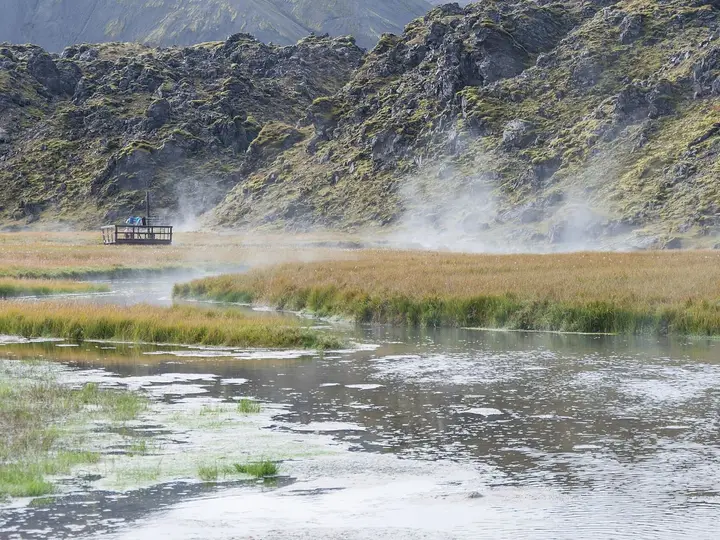
Landmannalaugar Hot Spring
Fjallabak Nature Reserve, South Iceland highlands, Iceland
34 mi away, ~55 min drive
Temp n/a Paid 4WD road
100-104°F38-40°C
Resort or spa
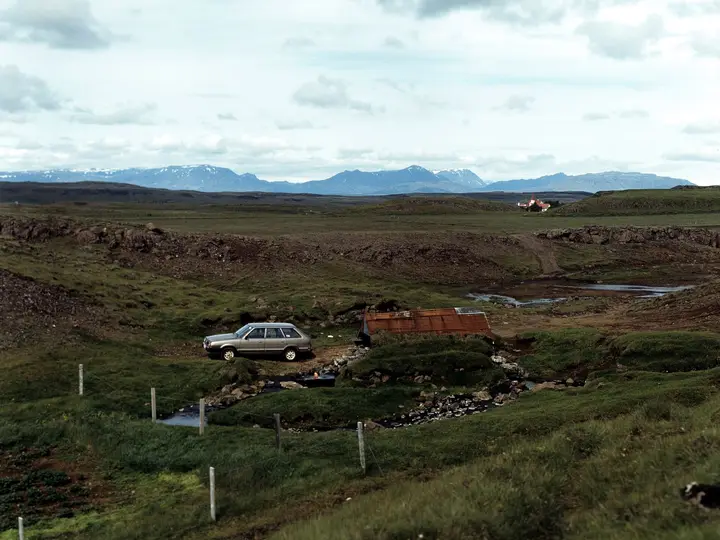
Secret Lagoon (Gamla Laugin)
South Iceland, Iceland
45 mi away, ~1 hr drive
100-104°F38-40°C Paid Drive-up
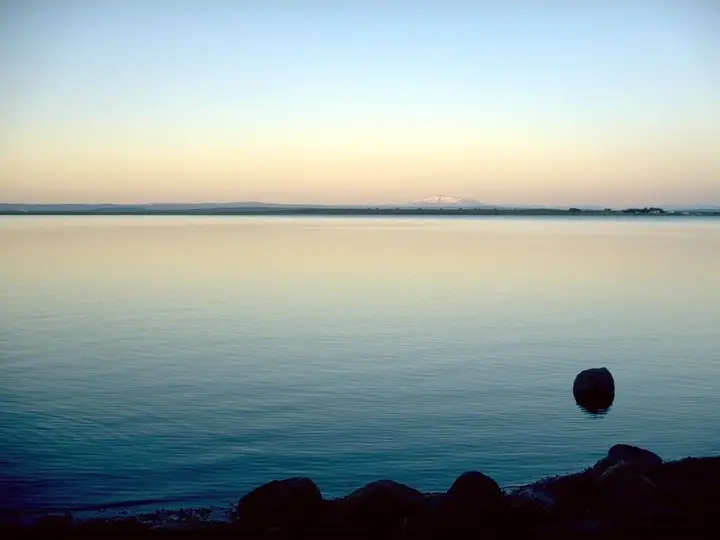
Laugarvatn Fontana
South Iceland (Golden Circle), Iceland
56 mi away, ~1.5 hr drive
Temp n/a Paid Drive-up
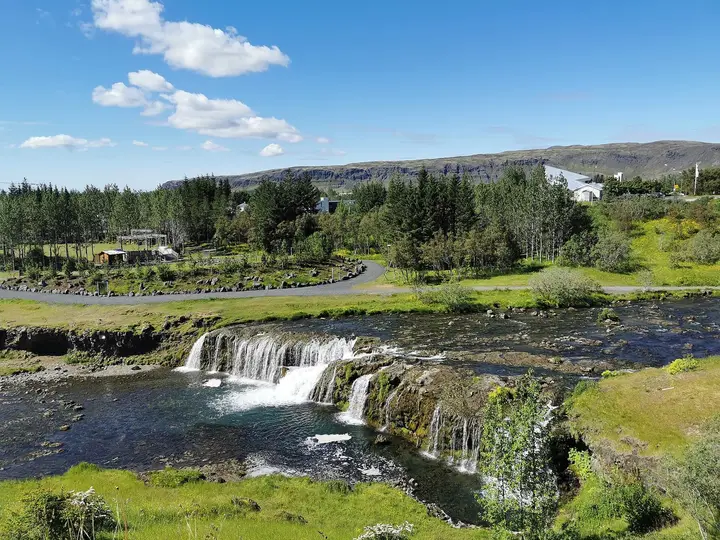
Sundlaugin Laugaskarði (Laugaskarð Pool)
South Iceland, Iceland
57 mi away, ~1.5 hr drive
Temp n/a Paid Drive-up