Jozankei Onsen
Near Sapporo (Minami Ward), Hokkaido, Japan
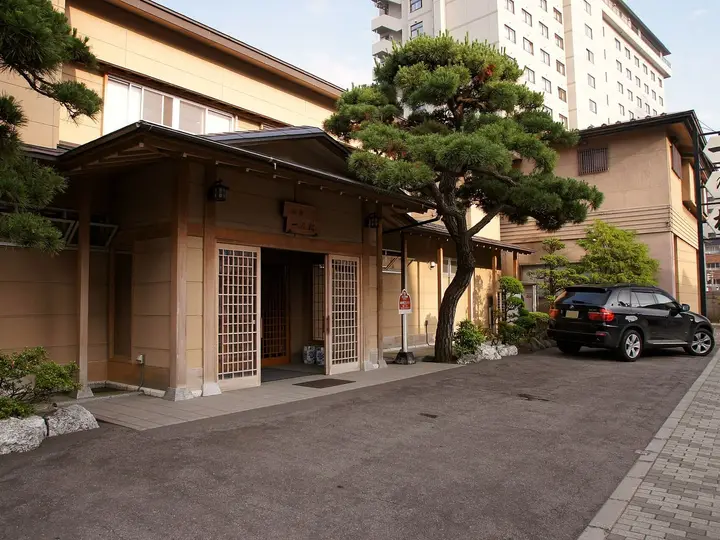
Sapporo's own hot spring town, in the Toyohira River gorge about 50 minutes by car from the city. Dozens of hotels, a dozen day baths and several free foot baths share salty, clear spring water.
Photos: Unknown author (Public domain); lienyuan lee (CC BY 3.0); MIKI Yoshihito. (#mikiyoshihito) (CC BY 2.0). Resized and cropped for this page.


- Water temperature
- Not published
- Entry
- Paid
- Getting in
- Drive-up
- Type
- Resort or spa
- The water is a clear, mildly salty sodium chloride spring that rises from the bed of the Toyohira River.
- Free foot baths include Jozan Gensen Park, with an onsen-egg pool, and the covered Futami foot bath that opened in December 2024.
- The Kappa Liner bus runs direct from Sapporo Station in about 60 minutes.
- Futami Park is closed for river works until the end of March 2027, but the suspension bridge is reachable by a detour.
What to expect
Jozankei Onsen is the hot spring town of Sapporo itself. It sits in the city’s Minami Ward, in the narrow, wooded gorge of the Toyohira River, close enough to downtown for a half-day trip but deep enough in the hills that the mountains close in around the hotels. Hot water rises naturally from the riverbed.
This is a big, busy resort town rather than a rustic hamlet. Large hotels line the river, many with indoor and outdoor baths that sell day entry, and the streets between them hold free foot baths and statues of kappa, the river imp of Japanese folklore that is the town’s mascot. The kappa legend is tied to a deep pool in the river called Kappa-buchi.
The town’s history starts in 1866, when the mountain monk Miizumi Jozan was guided to the spring by Ainu people. He spent the rest of his life building up the spa, and the valley took his name. A railway from Sapporo reached Jozankei in 1918, and the town grew with the city after the war. In 1996, its 130th year, it declared itself a health resort.
The water
The tourism association describes the water at the town centre as a colourless, clear sodium chloride spring: neutral, hypotonic and high-temperature, with a soft, salty taste. Salt springs leave a thin film on the skin, which is why you stay warm long after a soak. Each hotel draws and manages its own supply, and most do not publish whether their tubs are heated, circulated or chlorinated, so ask at the front desk if it matters to you.
Day baths
The Jozankei Tourist Association lists the day-bath options in the town and the nearby Koganeyu, Usubetsu and Hoheikyo areas. Sapporo’s tourism site counts 13 day-use bathhouses in all. A selection from the association’s listings in October 2026:
| Bath | Adults | Children | Hours |
|---|---|---|---|
| Yunohana Jozankei-den (day-only bathhouse) | ¥1,180 | ¥450 | 10:00-21:00, last entry 20:30 |
| Shikanoyu (historic inn, town centre) | ¥1,500 | ¥750 | 13:00-21:00, last entry 20:00 |
| Jozankei Manseikaku Hotel Milione | ¥1,500 | ¥800 (age 3 to elementary) | 12:00-20:00, last entry 18:00 |
| Nukumori no Yado Furukawa | ¥1,500 | ¥750 (elementary) | Check with the inn |
| Hatagoya Jozankei Shoten | ¥1,200 | Junior high and older only | Check with the inn |
A few details worth knowing:
- Yunohana Jozankei-den is the main bathhouse built only for day visitors. It has outdoor baths, a sauna, rock-sauna beds (ganbanyoku) and big windows over the gorge. A towel set with loungewear is ¥450, and it runs a shuttle.
- Shikanoyu is an old inn in the middle of town with a large indoor bath and an outdoor bath facing the river. Its sauna has an auto-löyly heater and a cold plunge fed by mountain stream water. Towels are lent free.
- Milione has a bath hall of about 450 m² with four indoor tubs, including a lie-down bath, plus an outdoor bath. Towels are a ¥300 set. It sells weekday morning baths and bath-and-buffet packages.
- Kyujitsu Building (Kyujitsu-yu), opened April 24, 2025, runs on a day-pass model from ¥2,850, with cheaper late-afternoon and evening-only tickets.
- Several upscale hotels sell bath-and-meal sets instead of plain bathing, for example Jozankei Tsuruga Resort Spa Mori no Uta (from ¥3,900).
All of these are split into men’s and women’s baths. Bathe naked, wash first, and keep your towel out of the water.
Free foot baths
You can soak your feet in town without paying anything:
- Jozan Gensen Park opened in 2005 for the 200th anniversary of Jozan’s birth. It recreates the scene where he found the spring and has a statue of him, a foot bath and Ontama-no-yu, a pool of very hot source water for cooking onsen eggs. Open all year, 7:00-21:00, at the foot of Tsukimi Bridge.
- Futami foot bath (“Shiki no Seseragi”) opened in December 2024 on the west side of town. It is semi-outdoor and covered, so it works in rain and snow, seats about 15 people and is wheelchair accessible. Open 9:00-21:00 every day, with 5 free parking spaces and a towel vending machine (¥300).
- Ashi no Fureai Taro-no-yu, opened in 2003, and a small kappa family hand bath are also free.
Getting there
- Bus from Sapporo Station: the direct Kappa Liner takes about 60 minutes. Jotetsu route buses take about 80 minutes. You can also take the Namboku subway line to Makomanai and change to a Jotetsu bus.
- By car: about 50 minutes from central Sapporo, 60 minutes from Otaru (about 45 km via Route 5 and Hokkaido Route 1), 70 minutes from Niseko and 80 minutes from New Chitose Airport.
- From New Chitose Airport: a winter-only direct bus runs between the airport and Jozankei. Check the operator’s site for the season’s dates.
For parking, the association points visitors to the Times Jozankei tourist car park on Route 230 next to Hotel Milione (¥500 a day), about 3 minutes’ walk from Jozan Gensen Park. Do not park on the street near Futami Park during the current works.
When to go
Jozankei is open all year and each season changes the gorge. Spring brings snowmelt and a short burst of red new leaves. Summer is green, and the river is used for canoeing and rafting. Autumn is the high point: the mountains turn red, orange and yellow, the association runs special autumn-leaf buses, and it posts a leaf forecast each year (the 2026 forecast went up on October 21). Winter brings deep snow, and some hotels package Jozankei with nearby ski areas.
Weekends and the autumn-leaf weeks are busiest. Weekday afternoons are the calmest time for day baths.
Futami Park works: the Futami Park area by the river, a favourite autumn viewpoint, is closed from September 24, 2026 to the end of March 2027 for river embankment works (8:00-18:00 on work days). You can still reach the Futami suspension bridge by a signed pedestrian detour that opened around October 1, though the detour closes in winter.
Where to stay nearby
The town has a long list of hotels and ryokan, from large resort hotels to small inns, collected on the tourism association’s site. Staying the night lets you use the bath late and early when day visitors are gone.
Accommodation tax: Jozankei is inside Sapporo, so since April 1, 2026 every guest pays both the Sapporo and Hokkaido accommodation taxes, collected by the hotel. Per person per night: ¥300 when the room rate is under ¥20,000, ¥400 from ¥20,000 to under ¥50,000, and ¥1,000 at ¥50,000 or more. School trips and nursery outings are exempt.
Safety notes
- Hot water: the source water is hot enough to cook eggs at the Ontama pool. Keep hands out of anything marked as a source outlet.
- Heat and alcohol: salt springs hold heat. Keep soaks short, drink water and do not bathe after drinking.
- Winter footing: streets and foot bath areas get icy. Wear shoes with grip.
- River banks: the Toyohira runs fast after snowmelt and heavy rain. Stay on marked paths, especially near the works at Futami.
Map and nearby springs
GPS: 42.96500, 141.16324
Jozankei Onsen: common questions
How do I get to Jozankei Onsen from Sapporo?
The direct Kappa Liner bus from Sapporo Station takes about 60 minutes. Ordinary Jotetsu route buses take about 80 minutes, and you can also ride the subway to Makomanai and change to a bus there. By car it is about 50 minutes from central Sapporo.
Can I visit Jozankei Onsen as a day trip?
Yes. The tourism association lists day-bath options in and around the town. Yunohana Jozankei-den is a day-only bathhouse (¥1,180 adults), and hotels such as Shikanoyu and Jozankei Manseikaku Hotel Milione sell day bathing for about ¥1,500.
Are there free hot spring foot baths at Jozankei?
Yes. Jozan Gensen Park (7:00-21:00) has a foot bath and an onsen-egg pool, the semi-outdoor Futami foot bath (9:00-21:00) opened in December 2024, and Ashi no Fureai Taro-no-yu and a kappa hand bath are also free.
Are tattoos allowed at Jozankei Onsen?
There is no single policy for the town. The day-bath listings and hotel pages we checked do not say either way, so ask each hotel before you go, or call the Jozankei Tourist Association on 011-598-2012.
Is there an accommodation tax at Jozankei?
Yes. Jozankei is inside Sapporo, so since April 1, 2026 overnight guests pay both the Sapporo and Hokkaido accommodation taxes: ¥300 per person per night when the room rate is under ¥20,000, ¥400 from ¥20,000 to under ¥50,000, and ¥1,000 from ¥50,000. School trips are exempt.
Closest hot springs to Jozankei Onsen
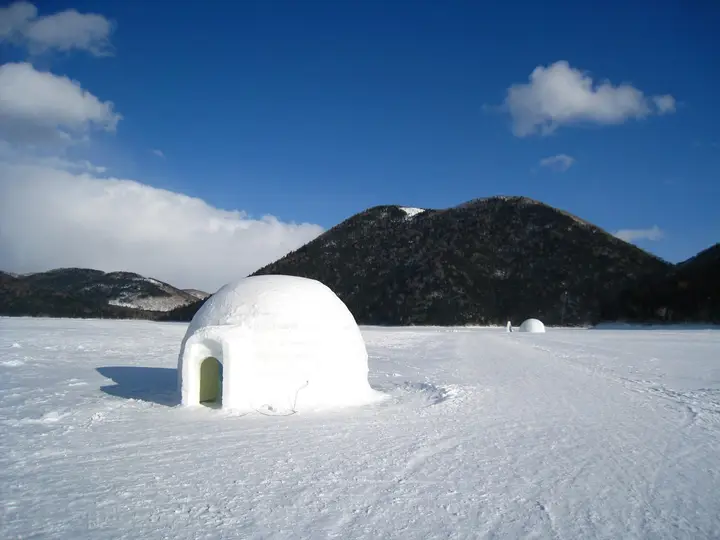
Shikaribetsu-ko Kotan (Lake Shikaribetsu Ice Village)
Hokkaido, Japan
100 mi away, ~2.5 hr drive
Temp n/a Paid Drive-up