Olympic Hot Springs
Near Port Angeles, Washington, United States
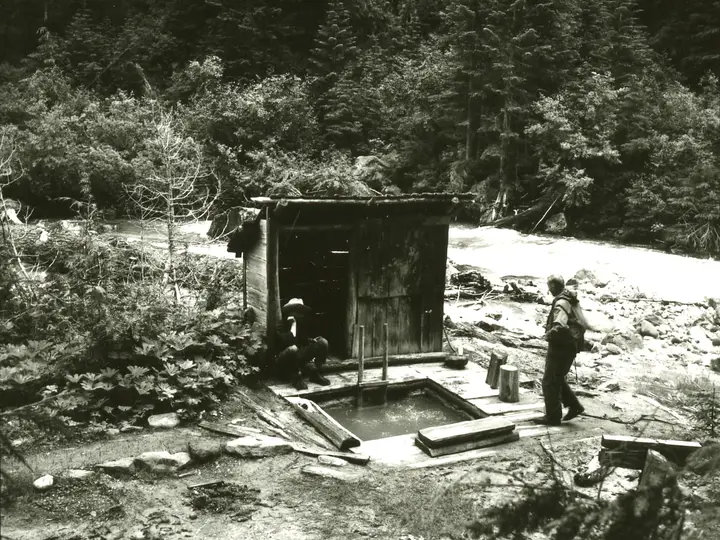
Undeveloped hot seeps along Boulder Creek in the Elwha valley of Olympic National Park. With the road closed to cars since a washout, reaching them is now a roughly 10-mile walk or bike-and-hike each way.
Photos: Andrew Kvalheim (CC BY-SA 4.0); Robert Ashworth from Bellingham, WA., USA (CC BY 2.0); U.S. Forest Service- Pacific Northwest Region (Public domain). Resized and cropped for this page.


- Water temperature
- Not published
- Entry
- Paid
- Getting in
- Long hike
- Type
- Wild & natural
- Cars stop at the Madison Falls Trailhead. You walk or bike the closed Olympic Hot Springs Road, using a bypass trail around the washout, then hike the last stretch.
- The park does not test or treat the pools and warns they may carry harmful bacteria, including high fecal coliform levels.
- Boulder Creek Camp nearby takes backpackers with a wilderness permit. Bear canisters are required and campfires are banned there and at the springs.
- Bikes are allowed on the old road but not on the trail section to the springs.
What to expect
Olympic Hot Springs is a cluster of natural hot seeps on the slopes above Boulder Creek, a tributary of the Elwha River, deep in Olympic National Park. Water trickles out of the hillside and collects in small rock-ringed pools, most of them shallow, a few deeper where past visitors stacked stones to hold the flow back. Some are barely warm. Others are hot. The setting is old forest, moss and creek noise, with no buildings, signs of a resort or staff.
There used to be a resort here. The springs were developed after 1907, a trail was cut, and a lodge and pools operated until 1966, when the park lease ran out. The buildings were removed long ago and the area is now designated wilderness. Klallam people knew and used the springs for centuries before any of that.
Go in with the right expectations. The National Park Service describes the pools as natural, unmaintained seeps. It does not test or treat the water and warns that it may contain harmful bacteria, including high levels of fecal coliform. Soaking is at your own risk. Many people come for the hike and the setting and decide on the spot whether to get in.
If you want tested water and changing rooms, the park’s other hot springs, Sol Duc Hot Springs Resort, is in the next valley to the west and runs seasonal pools that are checked daily.
Getting there
The springs are about 15 miles southwest of Port Angeles, but you can no longer drive anywhere near them.
From Port Angeles, head west on US 101 and turn south onto Olympic Hot Springs Road in the Elwha valley. The park boundary is about 2 miles from the highway. Just inside it is the Madison Falls parking area, where cars stop. Parking is limited and there is little room to turn around, so arrive early on weekends. A toilet is open at the Madison Falls Trailhead; there are no other facilities beyond the gate.
Past the gate, Olympic Hot Springs Road is closed to vehicles because the Elwha River washed out a section. It stays open to walkers, cyclists and leashed dogs. The road is paved but narrow and steep beyond Glines Canyon, where one of the two Elwha dams stood before they were removed. A temporary access trail bypasses the washout. The NPS gives about 7.9 miles from Madison Falls to the Boulder Creek Trailhead at the old end of the road.
From the trailhead, the Boulder Creek Trail (also used to reach Appleton Pass) continues to the springs. The park’s figures for this last section disagree: its hot springs page says 1.5 miles and its trail page says 2.5. Either way the total is roughly 10.4 to 10.5 miles each way. The trail is easy, mostly flat, with about 200 feet of gain and several small stream crossings.
Biking: You can ride the closed road to cut the time, but bikes are not allowed on the trail section, so bring a lock and leave the bike at the trailhead. Whiskey Bend Road, which branches off the same road, is also closed to vehicles.
Call the park’s recorded road line at (360) 565-3131 before you go, and check the trail conditions page, since flood repairs and washouts in the Elwha valley change.
When to go
The trail is listed as an all-year route, and the springs never close. In practice, late spring to early fall is the comfortable window. The road walk is long and exposed to rain, and in winter it can turn icy or snowy, which makes a 20-mile round trip a serious day.
Midweek is quieter. The long approach has thinned the crowds compared with the years when you could drive almost to the trailhead, but summer weekends still bring backpackers. Most people treat it as an overnight trip, camping at Boulder Creek and soaking in the evening or early morning.
Rules and etiquette
- Fees: Olympic National Park entry applies: $15 per person on foot or bike, $30 per private vehicle or $25 per motorcycle, each valid for seven days. The $55 Olympic annual pass and America the Beautiful passes also work.
- Wilderness permit: Needed for any overnight stay. Book it on Recreation.gov; paper permits are no longer issued at trailheads. Summer reservations (May 15 to October 15) open on April 15 at 7 a.m. Pacific. The cost is $8 per person per night for ages 16 and up, plus a flat $6 reservation fee.
- Camp only in established sites at Boulder Creek Camp. It has pit toilets.
- No campfires at Boulder Creek Camp or at the springs.
- Bear canisters are required. Keep food, garbage and anything scented in a park-approved canister around the clock, except when you are cooking or eating. The park loans canisters to permit holders.
- No pets or bikes on the trail to the springs. Leashed dogs may use the road only.
- Clothing: The park notes that nudity is common at the pools. Wear a suit if you prefer.
- Leave the pools as you find them. Do not dig new pools or reroute the flow, and do not use soap.
Where to stay nearby
- Boulder Creek Camp is the obvious base: a wilderness camp near the trail with pit toilets, open to permit holders only.
- Port Angeles, about 15 miles away, has the nearest hotels, motels, grocery stores and gear shops, and the park’s Wilderness Information Center, (360) 565-3100.
- Sol Duc Hot Springs Resort has cabins in season if you want to pair a wild soak with a developed one. Check the resort’s dates, because it closes for winter.
Check the park’s campground page before counting on any drive-in campground in the Elwha valley, since flooding has closed some sites in recent years.
Safety notes
- Water quality: The pools are untested and may carry fecal bacteria. Keep your head above water, keep cuts out of the pools, and shower when you get home.
- Drinking water: Collect water from Boulder Creek upstream of where the hot spring runoff enters it, and boil, filter or treat it to prevent Giardia.
- Distance: A 20-mile round trip is more than many people expect. Carry rain gear, a headlamp and enough food, and turn back with daylight to spare.
- Wildlife: Black bears and other animals live in the valley. Use your bear canister and keep a clean camp.
- Heat: Some seeps are hot. Test the water with your hand, keep soaks short after a long hike, and drink plenty of water.
- Floods: The Elwha has repeatedly eaten into the road since the dams came out. Respect closures around the washout and use the signed bypass trail.
Nearby stops worth adding
Madison Falls is a short walk from the parking area where your hike begins, worth a look on the way in or out. Along the old road, the Glines Canyon area shows where the upper of the two Elwha dams stood before it was taken out. For a developed soak afterward, drive west on US 101 to the Sol Duc valley.
Map and nearby springs
GPS: 47.97668, -123.68821
Olympic Hot Springs: common questions
Can you drive to Olympic Hot Springs?
No. Olympic Hot Springs Road is closed to vehicles beyond the Madison Falls parking area because of a washout. The road is open to people on foot, cyclists and leashed dogs. You walk or ride the old road, use a temporary bypass trail around the washout, and continue on foot from the Boulder Creek Trailhead.
How long is the hike to Olympic Hot Springs?
Plan on about 10.4 to 10.5 miles each way from the Madison Falls lot. The park gives the split two ways: about 9 miles of road plus 1.5 miles of trail on its hot springs page, and 7.9 miles to the Boulder Creek Trailhead plus 2.5 miles on its trail page. Elevation gain on the trail itself is small, about 200 feet.
Is it safe to soak at Olympic Hot Springs?
It is at your own risk. The National Park Service says the pools are natural, unmaintained seeps that it does not test or treat, and that they may contain harmful bacteria and high fecal coliform levels. Keep your head out of the water and skip the pools if you have cuts or open sores.
Is Olympic Hot Springs clothing optional?
Nudity is common at the springs, according to the park's own trail page. Swimsuits are fine too. Because of that, it is not a good choice for families with children.
Can you camp at Olympic Hot Springs?
Yes, at Boulder Creek Camp, in established sites only, with a wilderness permit from Recreation.gov. Permits cost $8 per person per night for ages 16 and up, plus a $6 reservation fee. Food and scented items must go in a park-approved bear canister, and campfires are prohibited at the camp and the springs.
Is Olympic Hot Springs the same as Sol Duc Hot Springs?
No. Sol Duc Hot Springs Resort is a separate, developed resort in the Sol Duc valley with staffed pools that are tested daily. Olympic Hot Springs is a set of wild seeps in the Elwha valley with no facilities.
Closest hot springs to Olympic Hot Springs
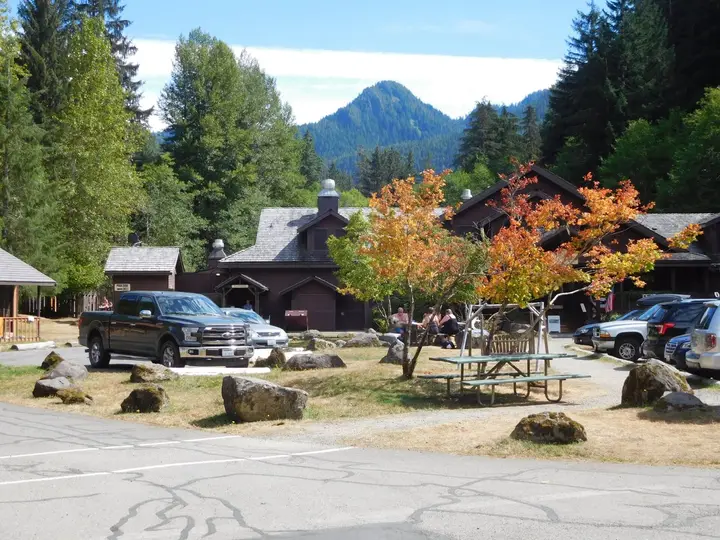
Sol Duc Hot Springs Resort
Washington, United States
8 mi away, ~15 min drive
99-104°F37-40°C Paid Drive-up
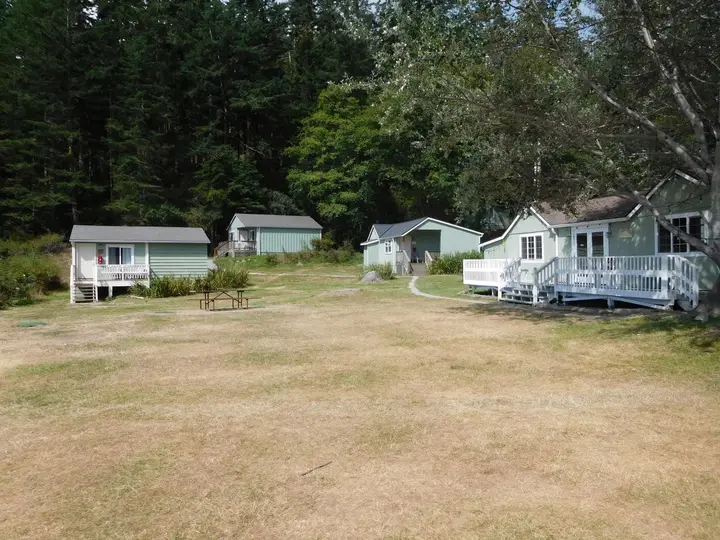
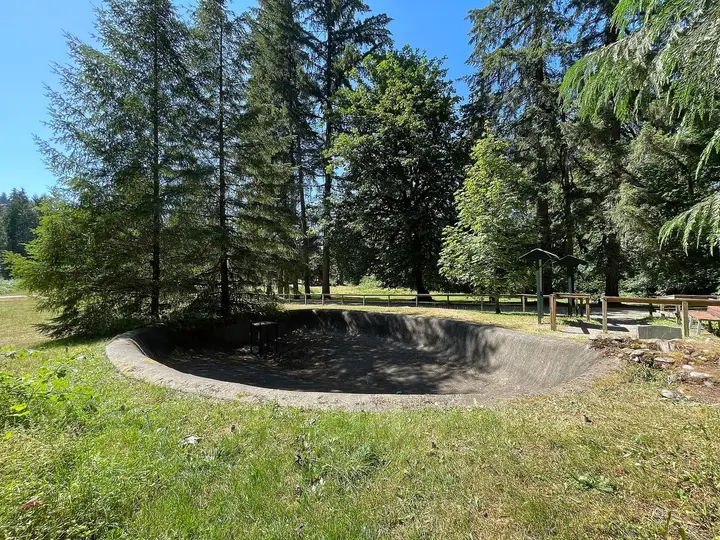
100°F38°C
Wild & natural
104-111°F40-44°C
Resort or spa
Goldmyer Hot Springs
Washington, United States
112 mi away, ~3 hr drive
104-111°F40-44°C Paid Long hike
All hot springs in WashingtonAll hot springs in United StatesOpen the full map